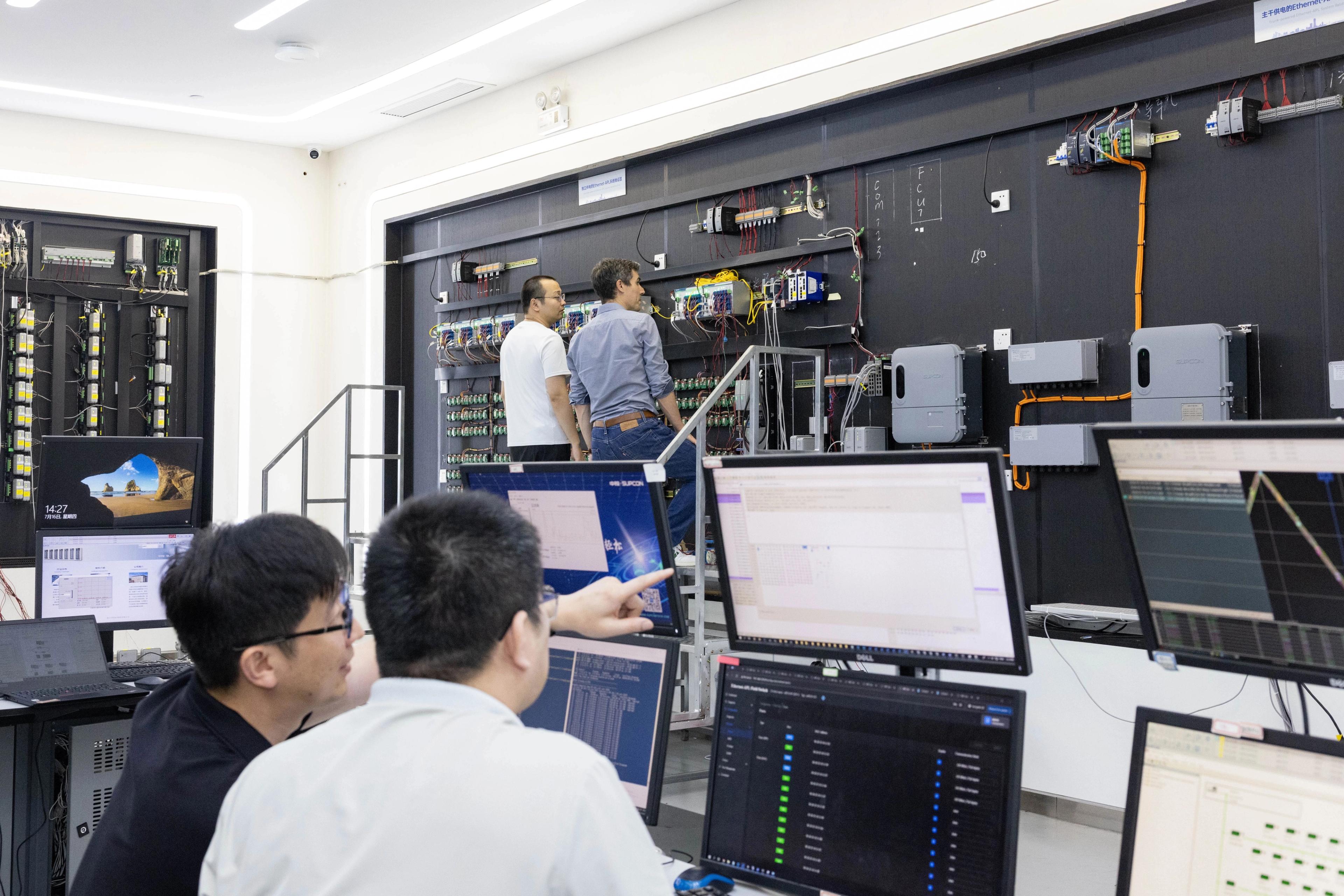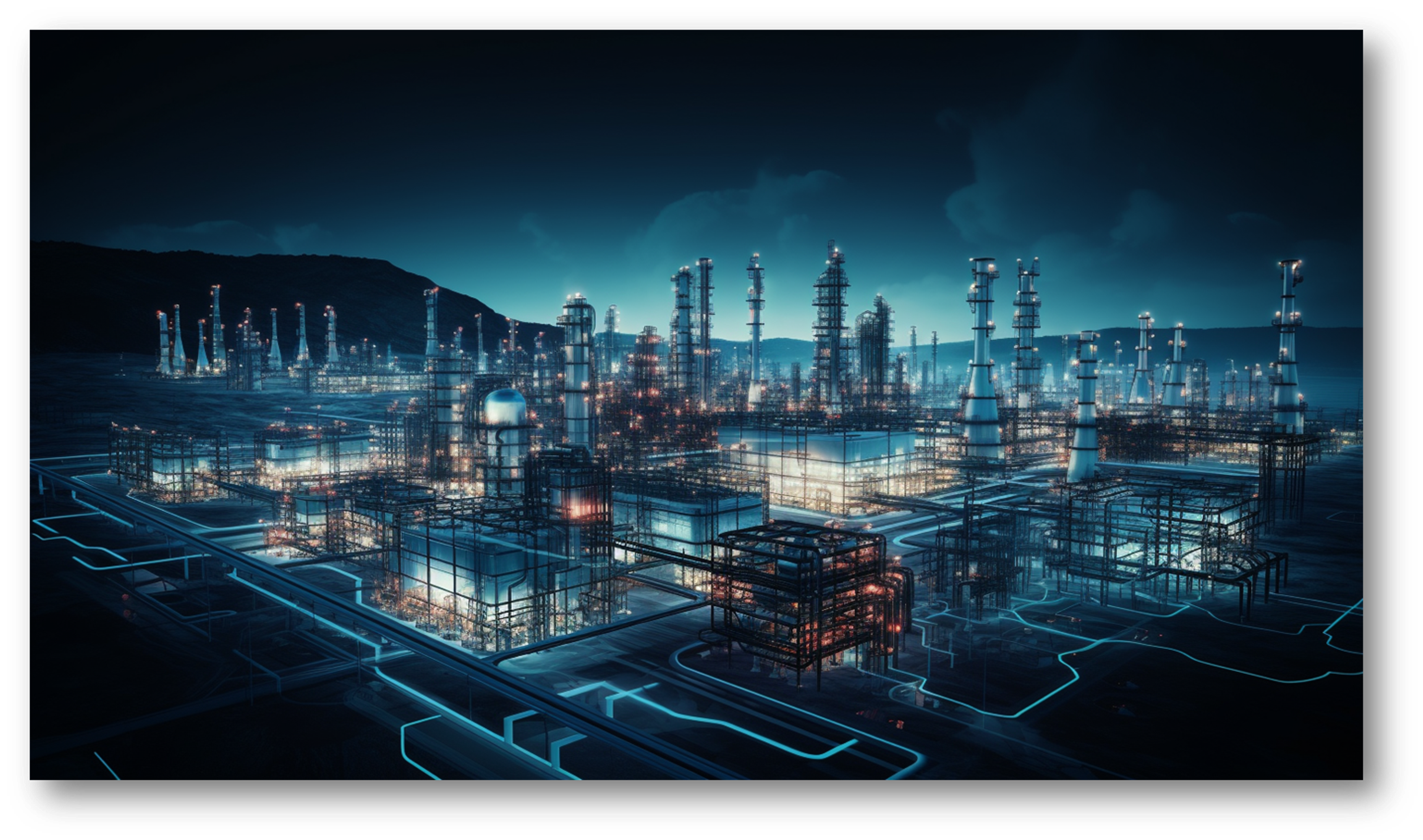
Industrial operations are becoming increasingly data rich. From process variables such as temperature, pressure, flow, and liquid level to equipment signals such as vibration and displacement, modern plants generate vast streams of time-series data every second.
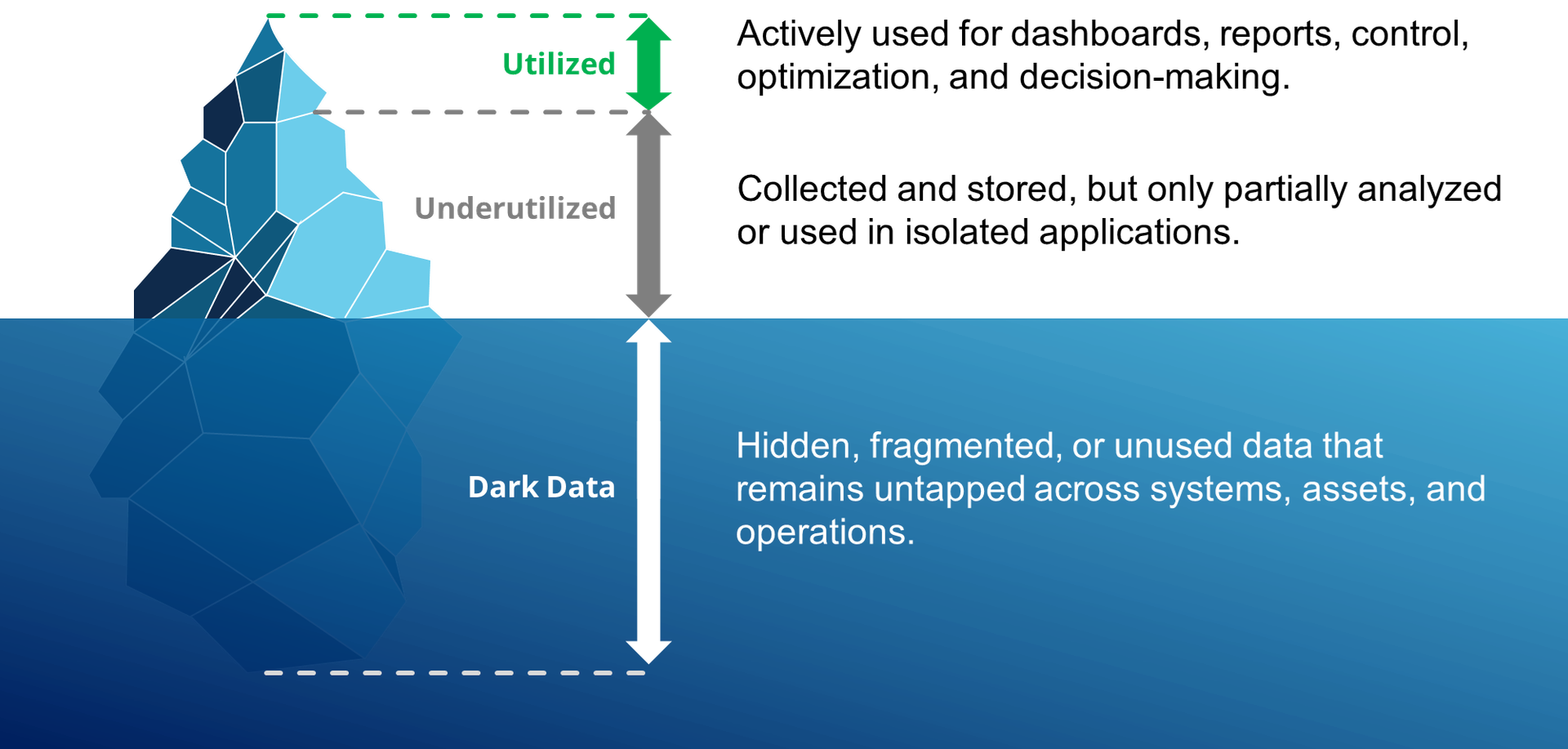
Yet for many industrial organizations, the true value of this data remains untapped. Much of the data collected across plants, assets, and production systems is either underutilized or not actively used for decision-making.
This creates a major opportunity:
“Turning operational data into real-time predictive insight, optimization guidance, and ultimately, more autonomous industrial operations.”
Why Time-Series Data Matters
Time-series data is the lifeblood of industrial operations. It captures how processes behave over time, how equipment responds to changing conditions, and how production performance evolves across different operating modes.
However, utilizing industrial time-series data is not simple. It is often noisy, irregularly sampled, high-dimensional, and affected by non-stationary behavior such as process shifts, changing feedstock, equipment degradation, and external disturbances.
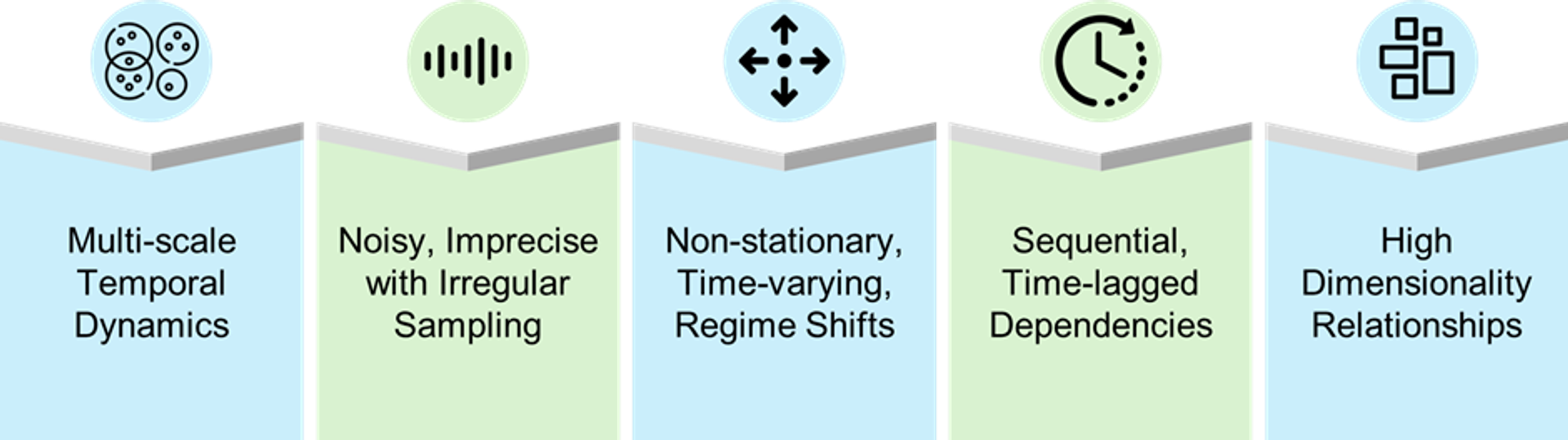
These characteristics make industrial time-series forecasting and process optimization especially challenging. Classical statistical models, machine learning methods, and deep learning architectures each play important roles, but industrial environments increasingly require models that can handle long-range dependencies, multiple interacting variables, and changing operating conditions.
The Rise of Time-Series Transformers Foundation Models
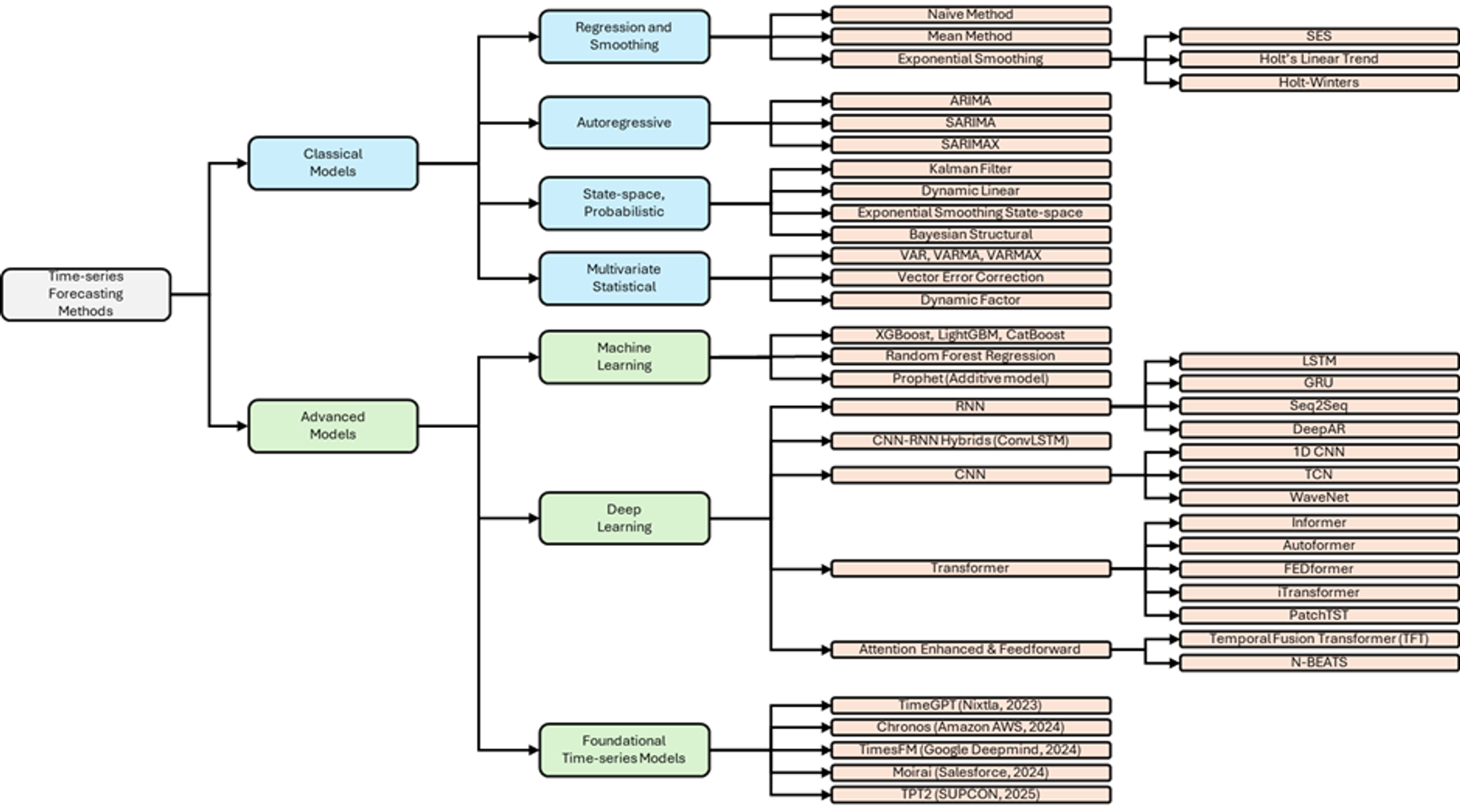
Transformers have already reshaped fields such as natural language processing and computer vision. In time-series forecasting, they are now being adapted to model complex temporal patterns and multivariate relationships.
The development of models such as Informer, Temporal Fusion Transformer (TFT), Autoformer, PatchTST, as well as other large pre-trained foundational models like TimeGPT, Chronos, TimesFM, Moirai, and SUPCON’s very own TPT reflects a broader shift: from task-specific forecasting models toward more generalized time-series foundation models.
For industrial use cases, this evolution is important. Instead of building one model for every process or every asset, foundation models open the possibility of learning from large-scale industrial time-series data and adapting across different production scenarios.
From Forecasting to Industrial Intelligence
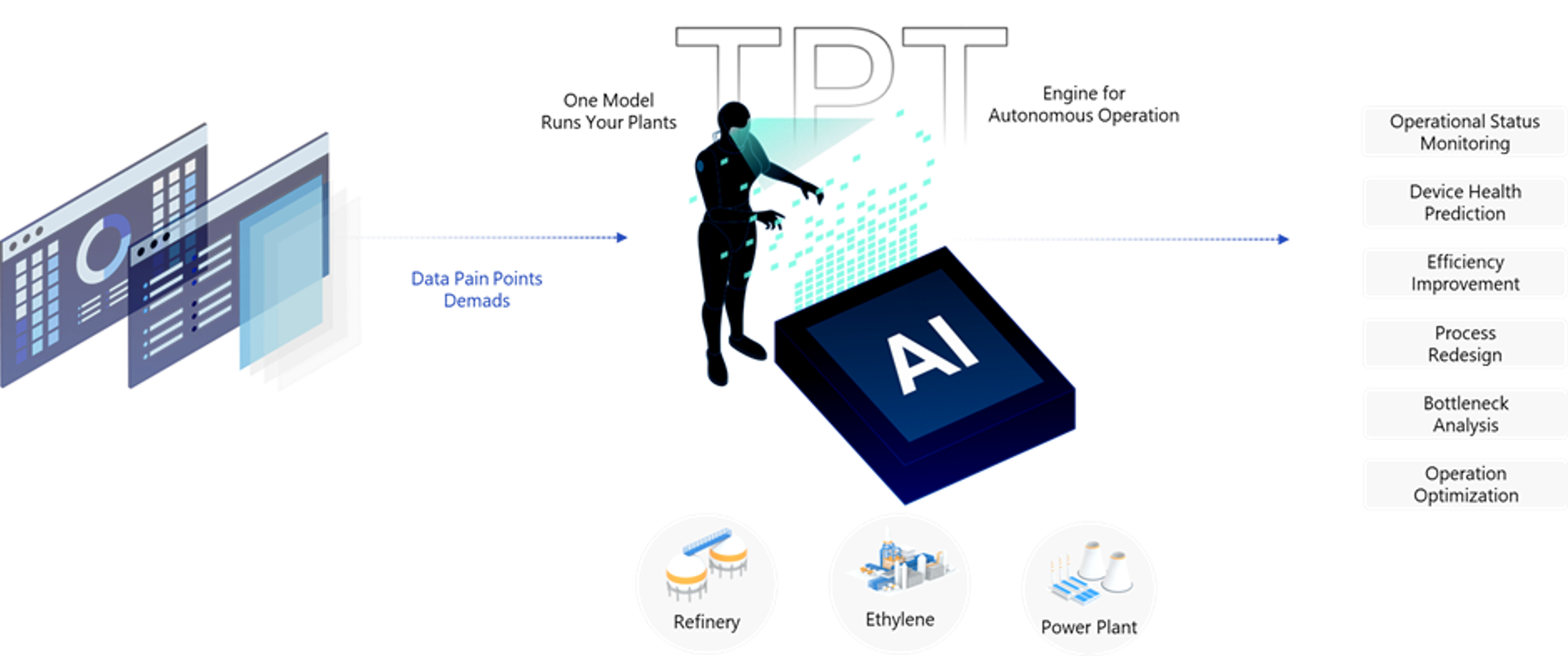
The value of time-series transformers is not limited to prediction. Their potential extends into practical industrial applications, including but not limited to:
- Predictive maintenance
- Industrial process AI optimization
- Quality inspection and assurance
- Supply chain optimization
- Energy consumption reduction
- Closed-loop process control
- Real-time operational decision support
- Autonomous operations
As industrial AI matures, these models may become part of a broader intelligence layer that combines time-series data with domain knowledge, mechanistic models, text, images, video, and operator experience. This points toward a future where industrial systems move beyond passive monitoring and forecasting toward self-optimization, self-correction, and autonomous operations.
Practical Industrial Applications
SUPCON’s technical sharing document also highlights practical examples of AI-powered industrial use cases, from intelligent pH stabilization control to boiler optimization.
These case studies show how time-series transformer models can support industrial decision-making by simulating and predicting process behavior, forecasting time-series data thereby improving control stability, reducing adjustment time, lowering operating costs, and supporting energy efficiency.
Download the Full Document
SUPCON’s “Unlocking the Hidden Potential of Industrial Data with Time-Series Transformers” provides a deeper look at the evolution of time-series forecasting, the rise of transformer-based models, key industrial AI use cases, and real-world applications of SUPCON’s Time-series Pre-trained Transformer (TPT).
Download now and find out how time-series transformer models can become a foundation for smarter, more predictive, autonomous operations.