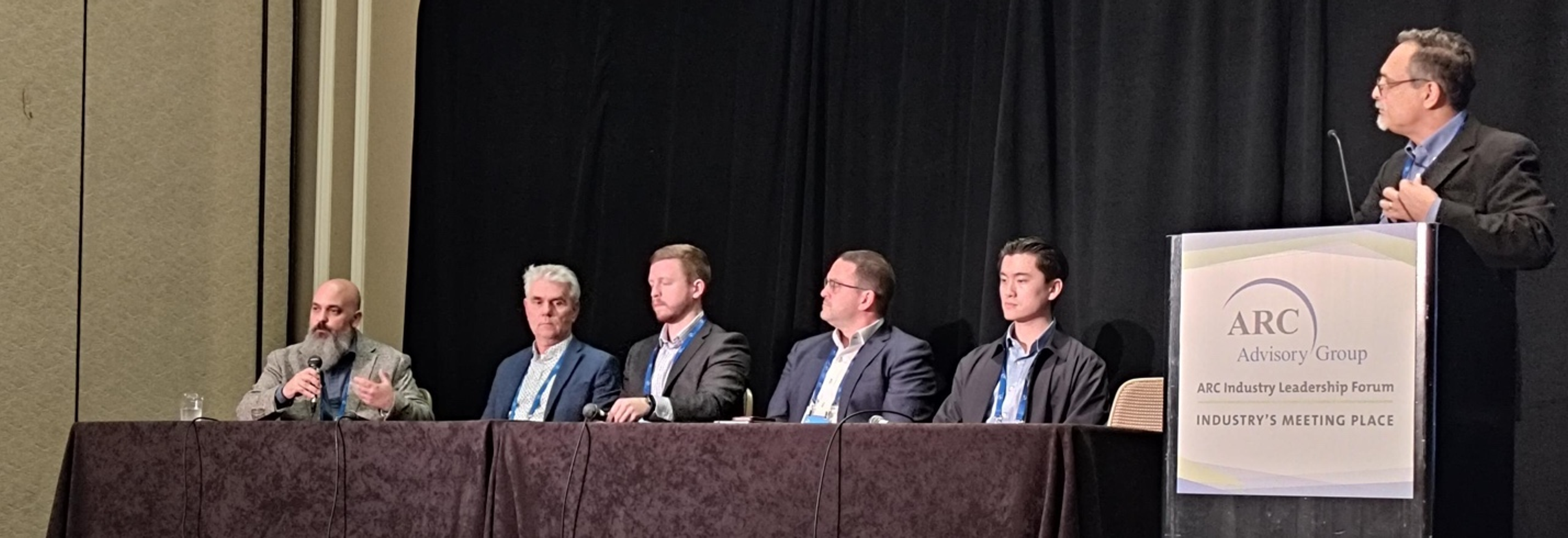
Earlier this year, leaders from across the global automation community gathered in Orlando, Florida for the ARC Industry Leadership Forum. The annual forum has long been a place where technology providers, industrial operators, and analysts gather to take a broader look at where industrial automation is heading.
One topic dominated many of the conversations this year:
“The Role of Industrial AI and Path to Autonomous Operations”
Mercy Zhang, VP of R&D, SUPCON International Business, had the opportunity to participate in a panel discussion exploring what it will take to move from today’s highly automated plants toward truly autonomous industrial operations. While the idea of autonomous plants has been widely discussed for several years, the insights at ARC made one thing clear - the technology is available, but the journey remains complex, particularly in aligning advanced industrial AI with process control and optimization expertise.
The Reality Behind the Vision
For decades, industrial automation has focused on reliability and control. Modern distributed control systems have made plants safer and more stable than ever before. Yet the next stage of industrial evolution requires something more dynamic, real-time, and autonomous.
Autonomous operations can only be realized by integrating multiple systems across the entire plant that can interpret real-time industrial data and identify emerging patterns to autonomously operate and continuously improve plant performance. Achieving that level of autonomy requires not only advanced AI models but also new approaches to control systems architecture, tighter integrations with control strategies, process and domain expert knowledge as well as real-time optimization frameworks that governs how the plants should ideally be run.
Most industrial facilities operate with multiple generations (and potentially, multiple brands) of systems that were never designed to work together as part of a unified environment. As a result, even organizations with strong ambitions and technical know-how often struggle with one persistent obstacle - data and controls fragmentation. Without a consistent data foundation and flexible controls architecture that also captures process context and operational intent in real-time, deploying technologies to enable autonomous operations becomes significantly more challenging.
Why Open Architectures Matter
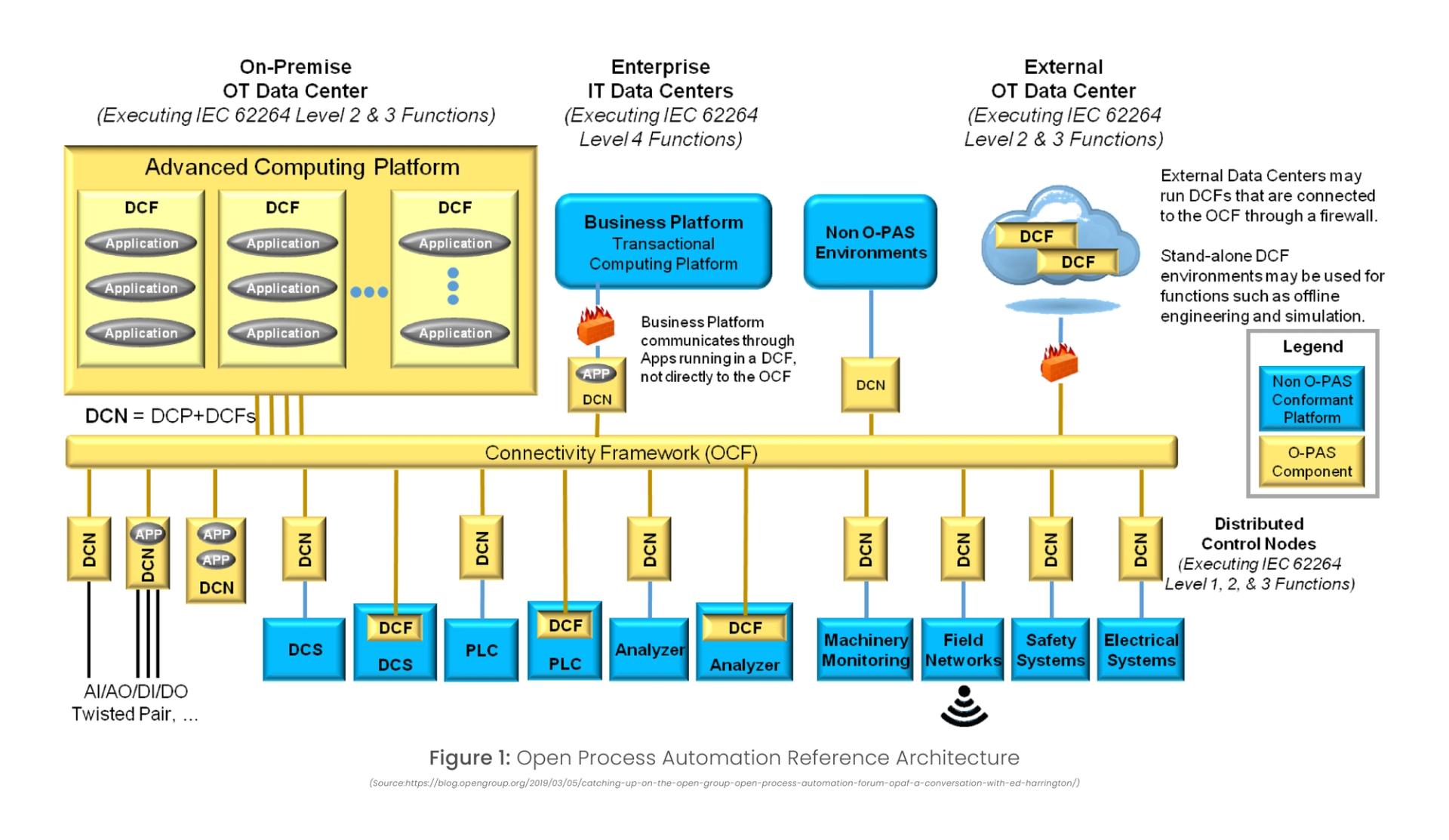
O-PAS, developed through the Open Process Automation Forum, is helping to define a more modular, interoperable, standards-based approach to automation systems. Instead of tightly integrated proprietary architectures, O-PAS promotes a framework where different components can interoperate on the same architecture. This reduces vendor lock-ins, providing organizations with much needed optionality.
A modular automation architecture allows systems to evolve more seamlessly, making it easier to integrate new technologies such as advanced analytics, machine learning models, and digital optimization tools. More importantly, it creates the conditions necessary for closer but more seamless interactions between control systems, industrial software, and AI-driven optimization models which are essential for enabling higher levels of autonomy. In many ways, this lays out the groundwork for the next generation of industrial innovation.
Another theme that surfaced repeatedly during the forum was the growing importance of software-defined automation. Traditional automation systems typically bind software tightly to dedicated hardware. While this model has delivered excellent reliability, it has made it difficult for legacy systems to adapt as operational requirements change.
Software-defined automation introduces new paradigms where control applications and optimization strategies can be deployed across a broader range of computing environments. This approach not only improves scalability but also unlocks the true potential of industrial AI, where it can be more seamlessly embedded into operational workflows, rather than functioning as standalone advisory tools.
Technologies Empowering Autonomous Operating Plants
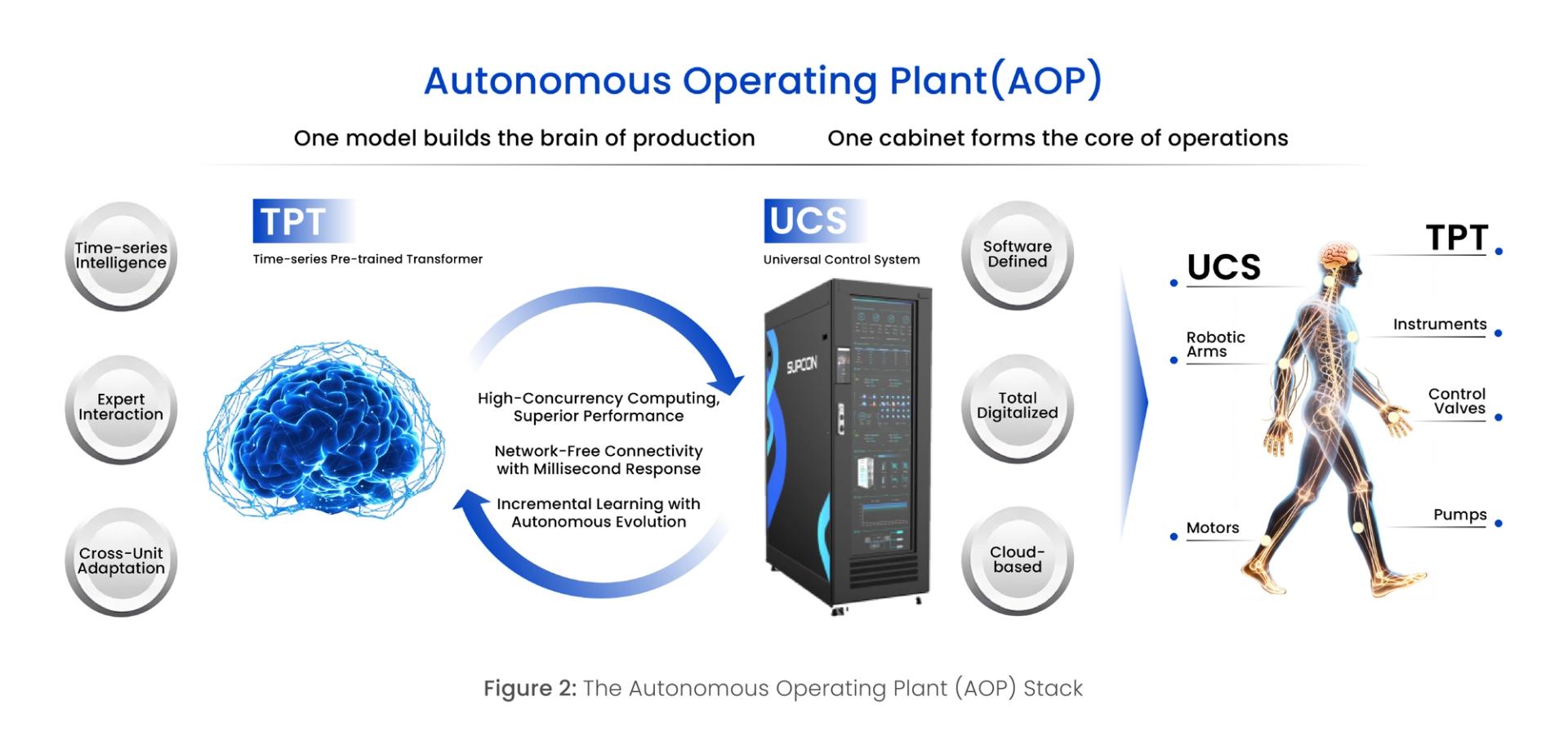
SUPCON’s Universal Control System (UCS) reflects this architectural direction. By separating control functionality from underlying hardware platforms, UCS enables a more flexible environment where critical control services, advanced process controls, AI-driven optimization, big data analytics, and AI-powered applications can coexist within the same operational ecosystem.
Of course, a revolution in control systems architecture alone is not enough. Autonomous operations also depend on the ability to extract meaningful insights from industrial data and translating these insights into actionable strategies that are aligned with business objectives.
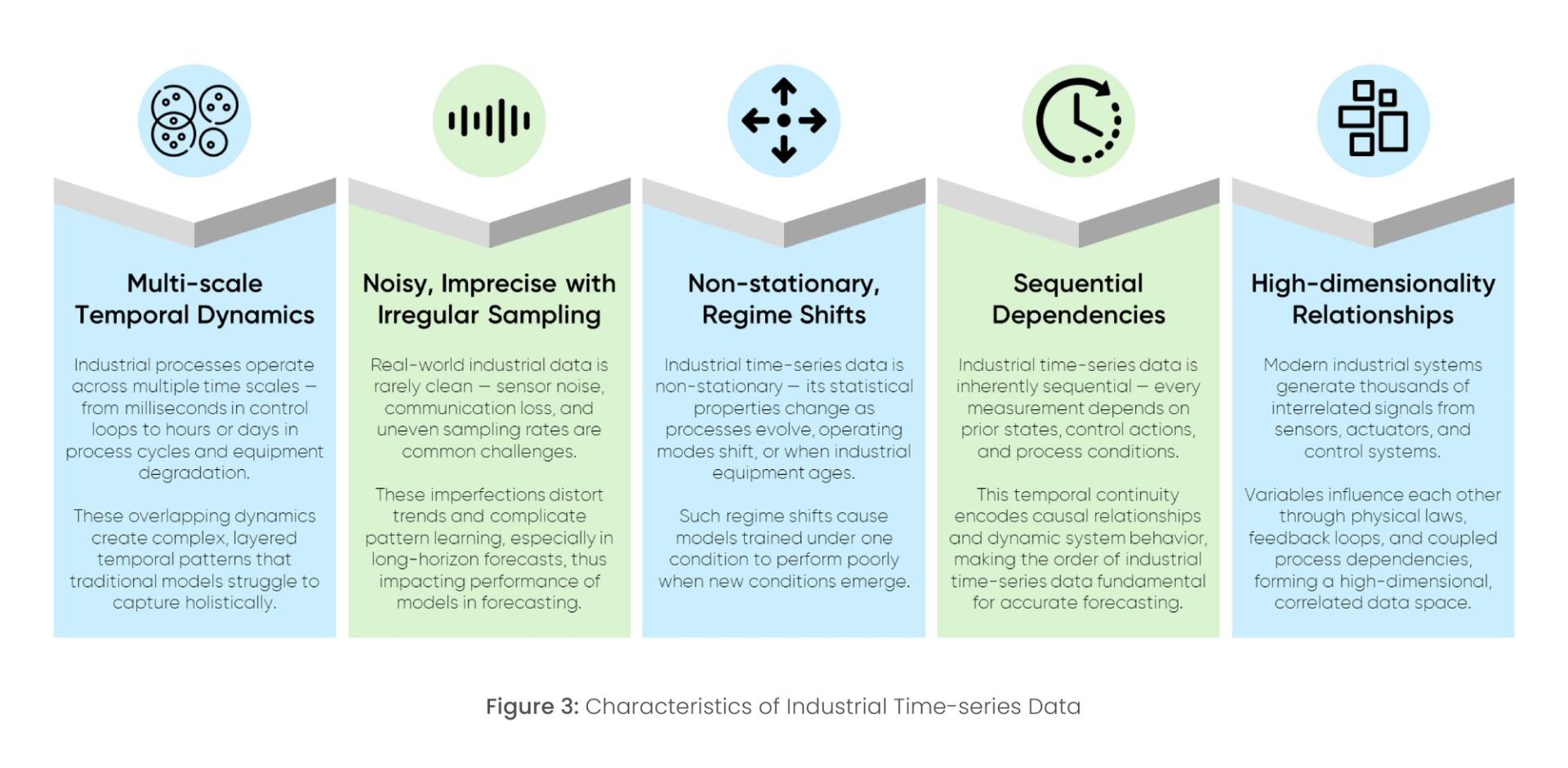
Unlike many enterprise datasets, industrial process data exists primarily as time-series information where continuous streams of measurements represent the states of complex physical processes. This type of data presents unique analytical challenges as it requires models (and architectures) that can handle complex layered temporal patterns, noisy imprecise data, and high-dimensionality relationships to simulate and predict events before they develop into operational issues, whilst remaining grounded.
SUPCON has been exploring this challenge through the development of Time-series Pre-trained Transformer (TPT2) models, designed specifically for industrial process environments. Trained on large volumes of real-world operational data, TPT2 can help identify patterns that might otherwise remain hidden. Crucially, these models are developed with a strong focus on embedding process knowledge, thus enabling them to go beyond purely forecasting and predictions towards optimizing decision-making in real-time with operational contexts and domain expertise.
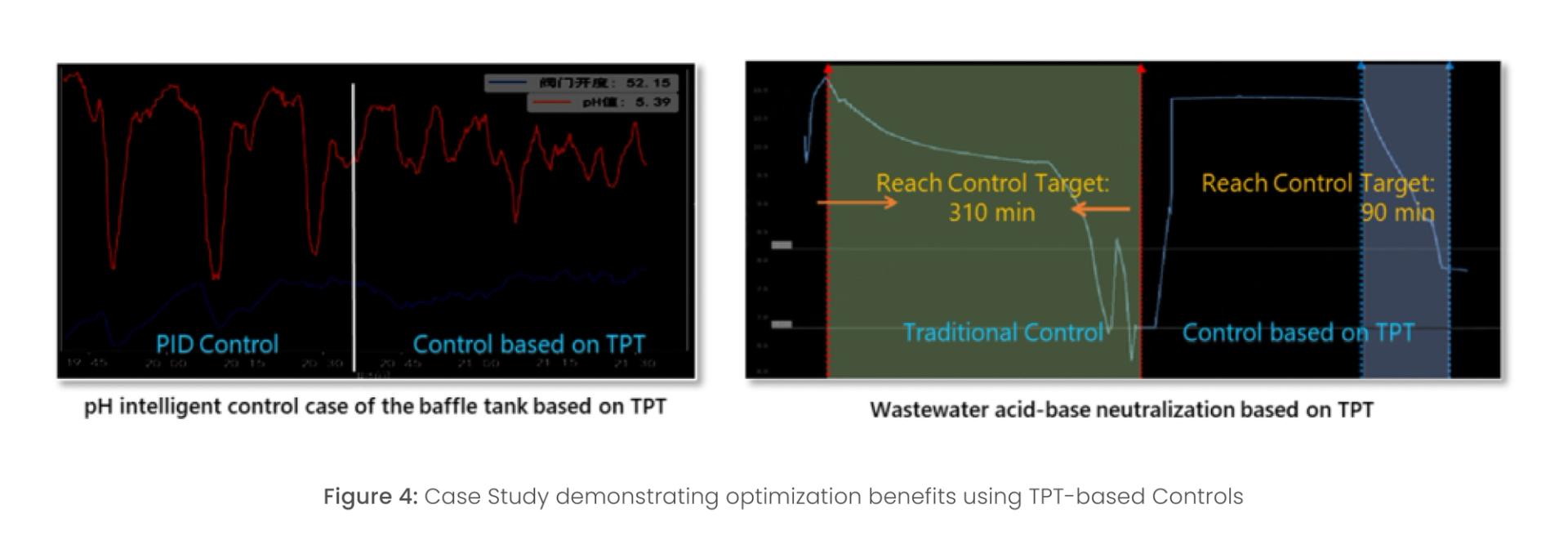
When combined and deployed alongside UCS, SUPCON has demonstrated that it is in fact possible for today’s industrial plants to evolve from automated controls to autonomous operations, where insights and strategies generated by AI closely aligns with how processes are controlled and run in practice.
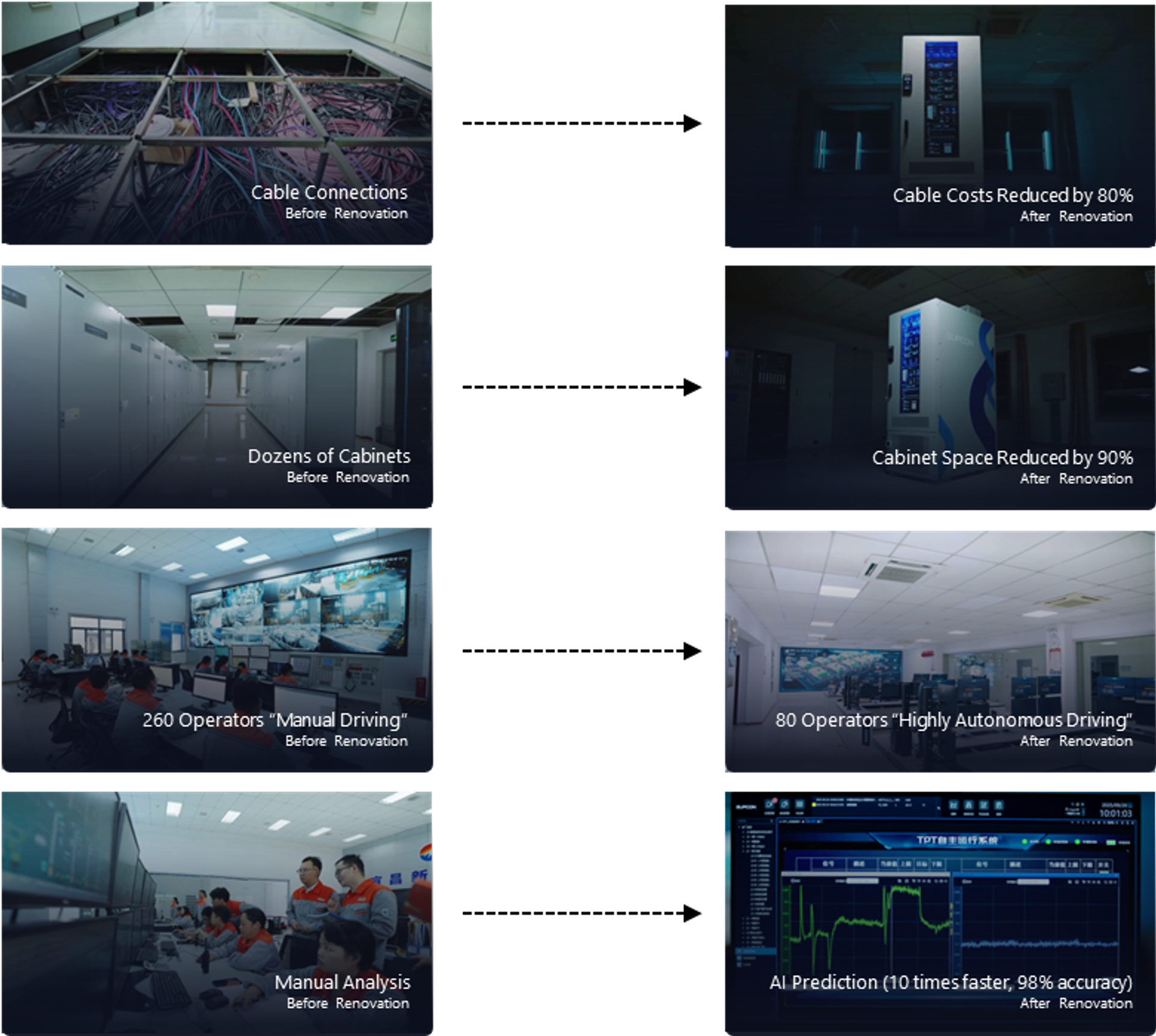
Case Study – Hubei Xingfa Group, Xingrui Autonomous Operating Plant
The Challenge:
- Plant produces more than 300k tons Chlor-Alkali, 35k tons Potassium Hydroxide (KON), 75k tons H2O2&TMAH per annum
- CapEX and OpEX is high due to legacy systems and operations
Our Solution:
- UCS + TPT powered Autonomous Operating Plant
- Replaced Siemens PCS7 (7,000 IOs), Emerson DeltaV (4,000 IOs)
- Digitally transform operations with Tier0, PRIDE, TPT and APEX
Achievement and Impact:
Looking Ahead
The discussions at the ARC Leadership Forum highlighted an important shift in the automation industry. The conversation is no longer about whether autonomous operations will happen - it is about how quickly organizations can build the foundations required to support them.
That foundation needs a combination of open architectures, software-defined control systems, industrial data platforms, and advanced industrial AI models capable of interpreting real-time process data at speed and at scale. It is also important to ensure that industrial AI models are not built in isolation, but are grounded practically in domain expertise, so that they operate reliably, predictably and optimally within real industrial environments.
SUPCON remains actively engaged in this evolution, working alongside industry partners and customers to develop technologies that support the next generation of autonomous operating plants. And if the conversations at the ARC Leadership Forum are any indication, the journey toward autonomous operating plants is only just beginning.