.avif)
Intelligent Optimization
PID, APC and RTO for Smarter Process Performance
overview
From Loop Stability to Plant-Wide Economic Optimization
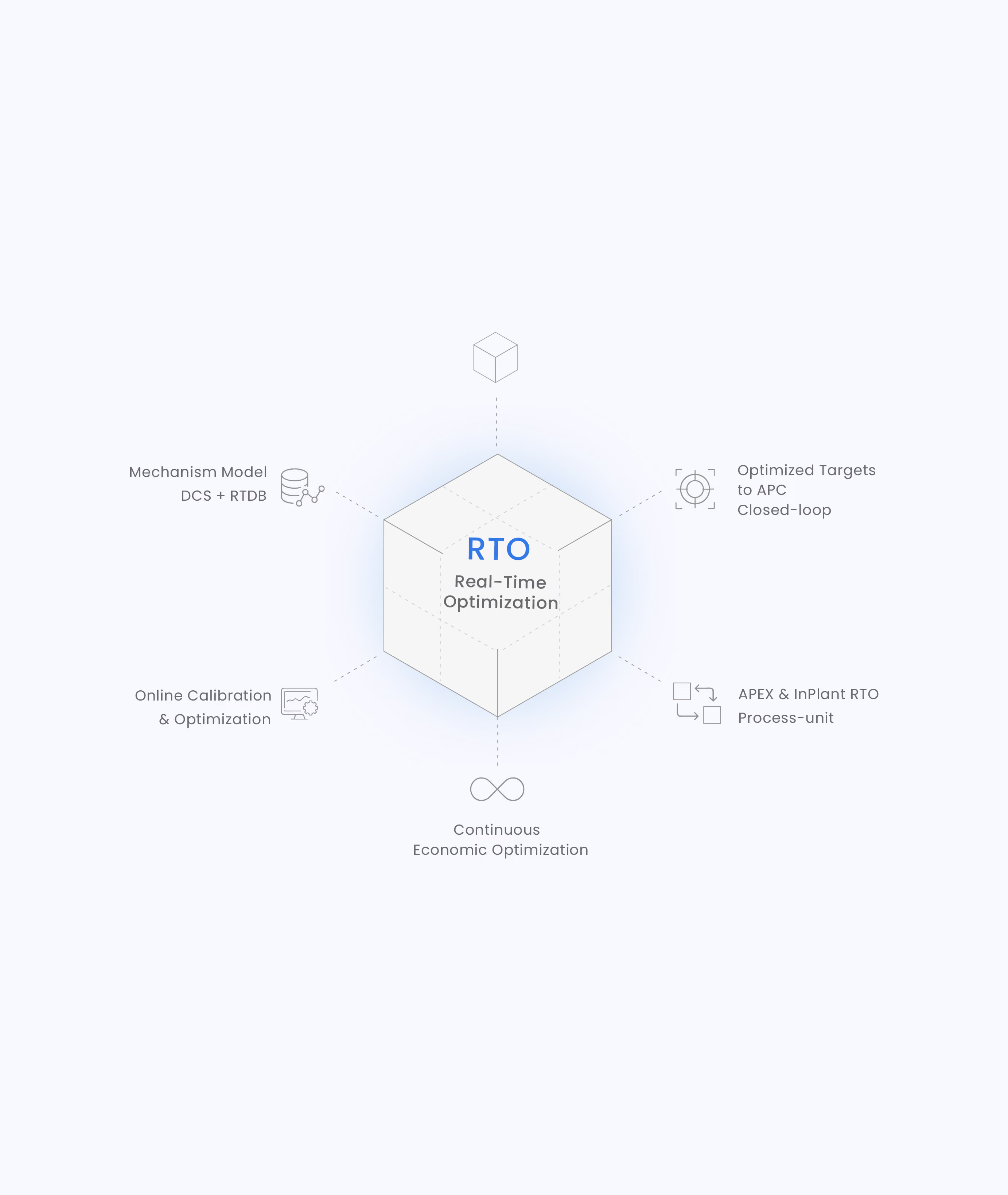
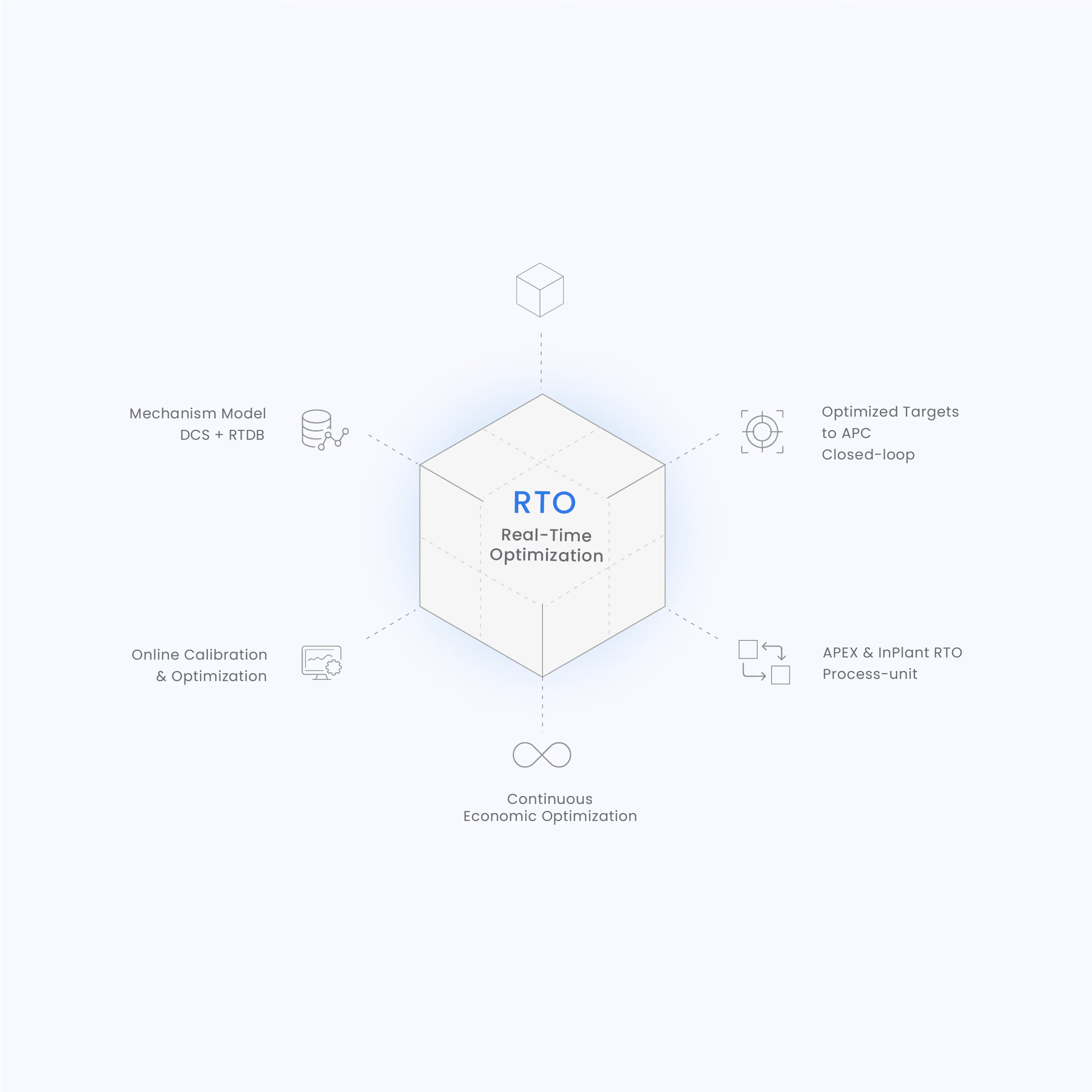
Most plants already have DCS and PID control — but loops drift, models degrade, and manual operation creeps back in. SUPCON's Intelligent Optimization Suite offers a staged path: PID restores loop performance, APC coordinates multivariable control, and RTO sets economically optimal targets.
>0%
Key Variable Deviation Reduction
+1–5%
Capacity / Yield increment up to
-2–5%
Energy Savings up to
-2–5%
PID Loop Health
0%
APC Multivariable Control
0%
RTO Economic Optimization
Key Capabilities
Key Capabilities
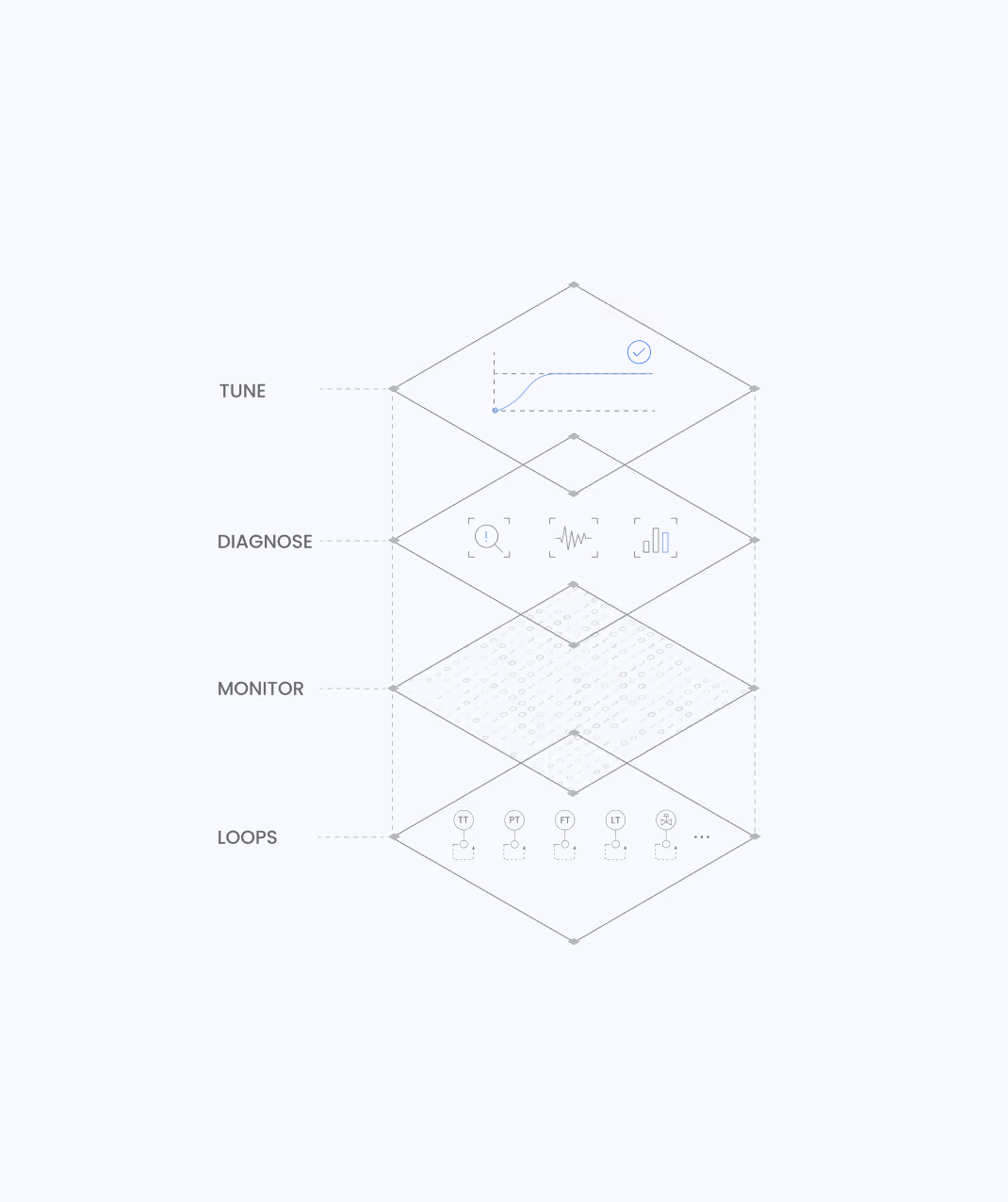
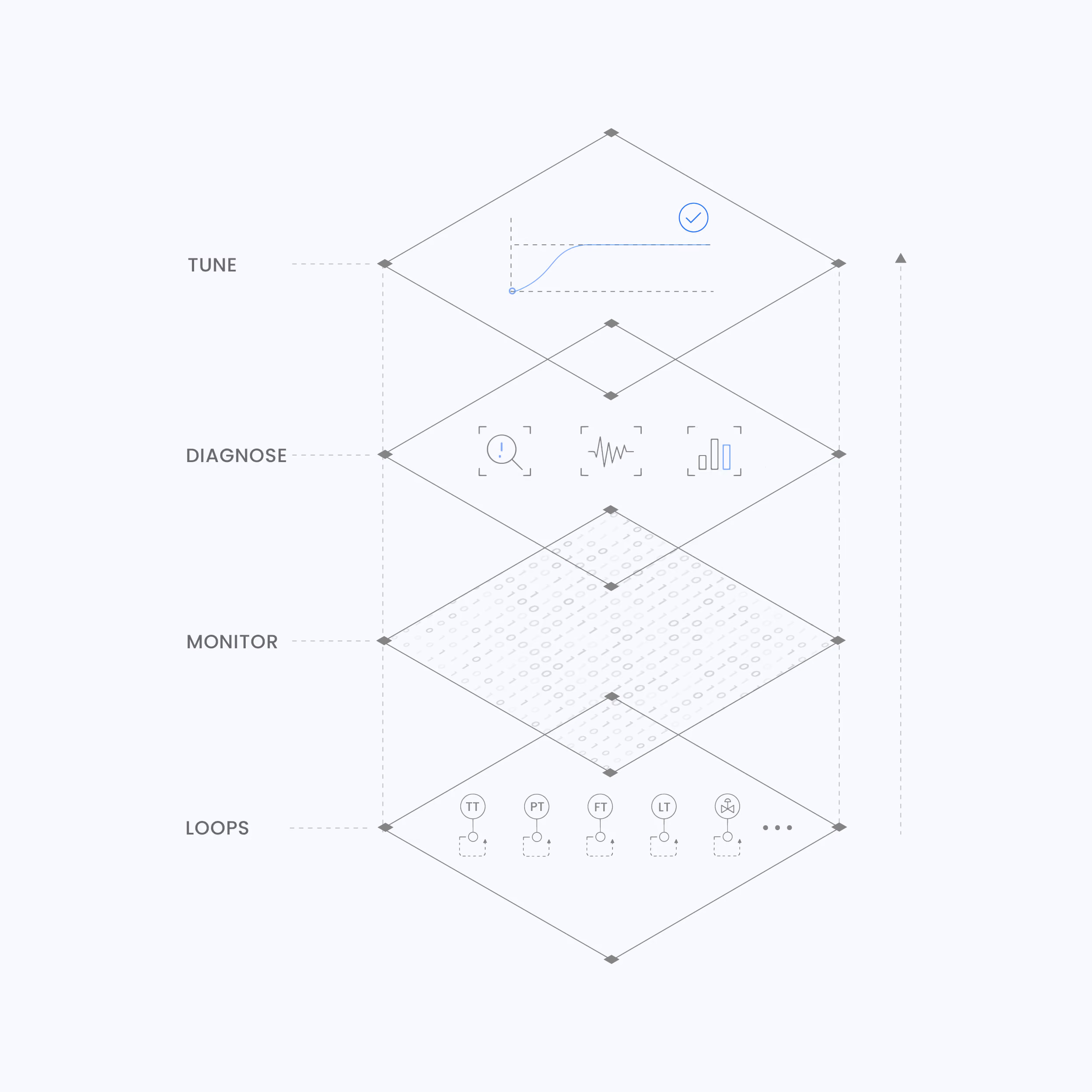
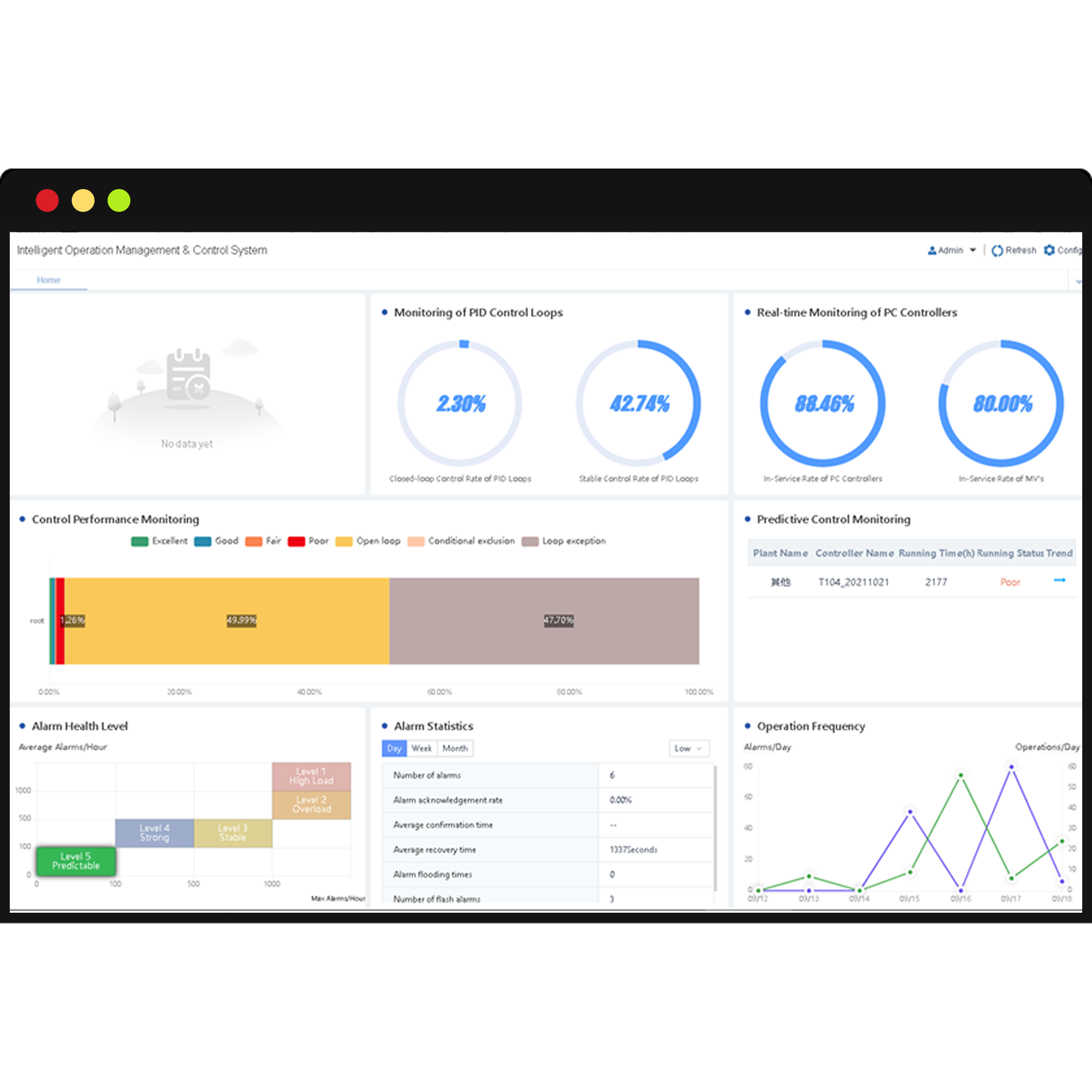
PID Loop Monitoring
Collect real-time data from DCS, PLC, instruments, OPC servers, or third-party historians to monitor loop status and performance.
Loop Performance Evaluation
Classify loops as excellent, good, average, poor, or manual, and surface loop-health issues for maintenance and operations teams.
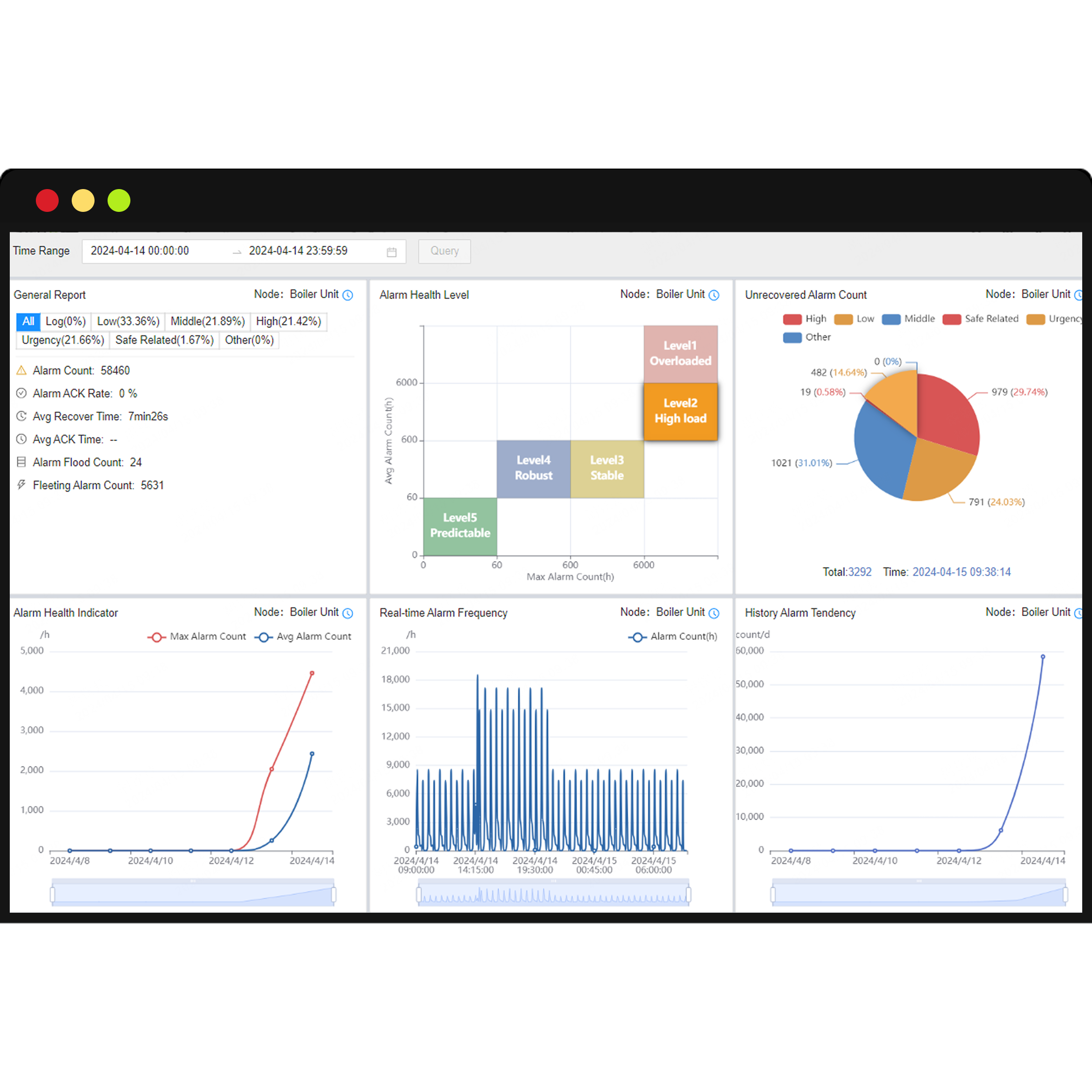
Intelligent Diagnostics
Identify common loop problems such as instability, disturbance response issues, valve dead zone, instrument noise, coupling, and poor tuning.
PID Parameter Tuning
Support multiple tuning modes and tuning recommendations to improve control performance and restore automatic control rate.
APC Multivariable Control
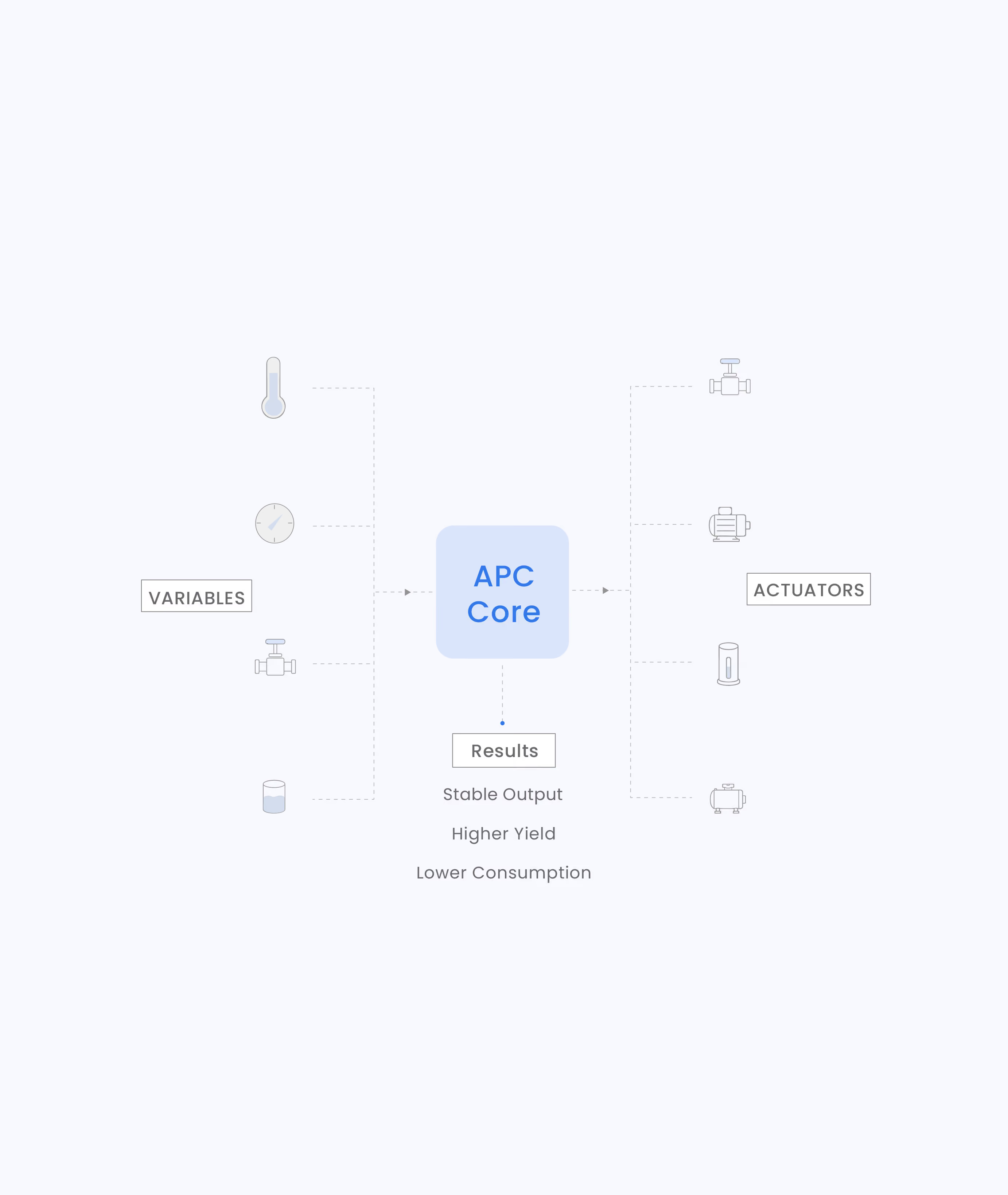
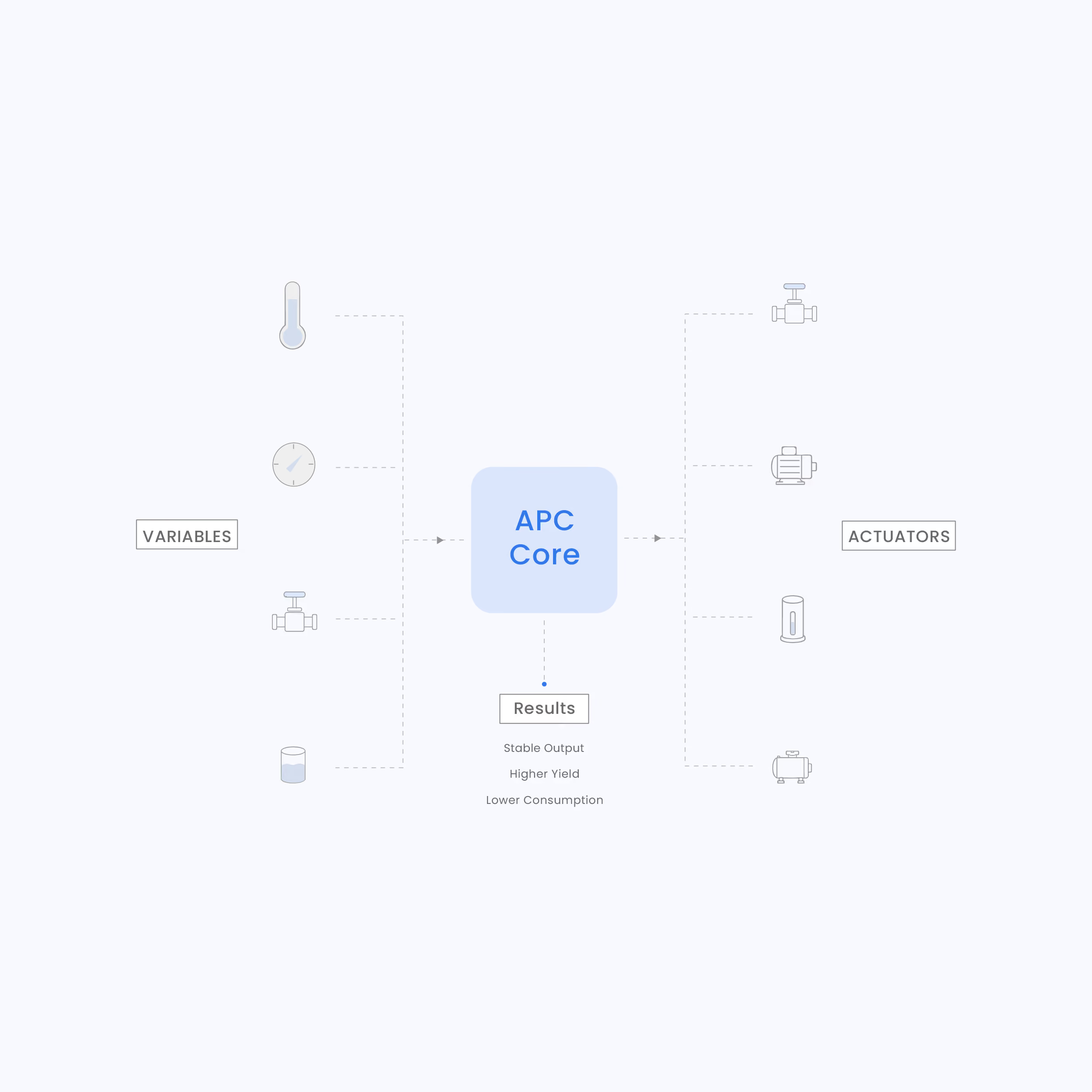
Use model predictive control, soft sensors, and agile control to stabilize key variables, coordinate constraints, and reduce operator intervention.
APC Performance Monitoring
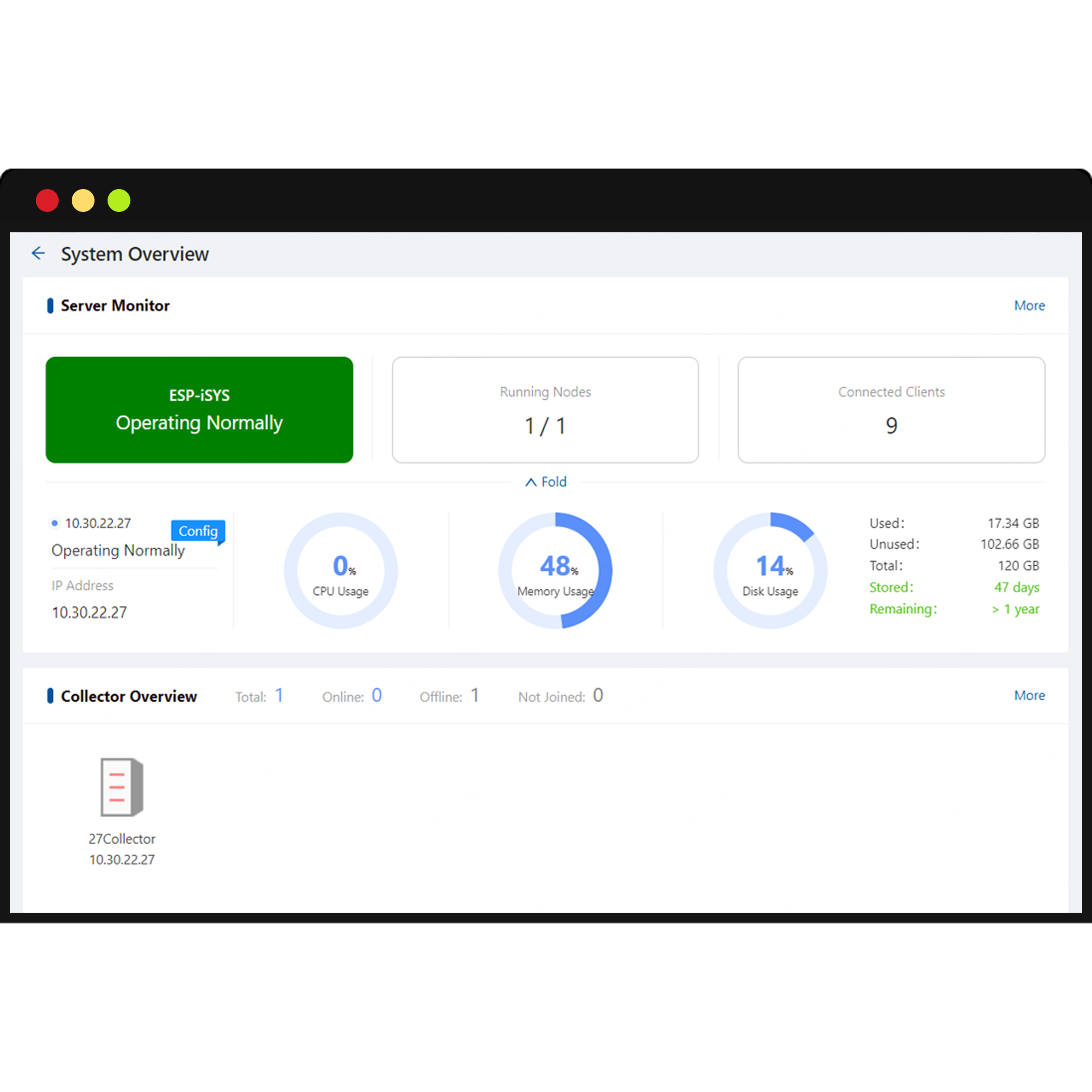
Monitor APC controller health, commissioning rate, control performance, model quality, and long-term optimization benefits.
Applications
Optimization Across Energy-Intensive Process Industries





Refining & Petrochemical
Chemical & Coal Chemical
Cement, Power & Metallurgy
Food, Pharmaceuticals & Specialty Manufacturing
Enterprise Autonomous Operation
FAQ
Frequently Asked Questions
What is the difference between PID, APC, and RTO?
Do we need PID optimization before APC?
How does APC create value?
How does RTO work with APC?
Can SUPCON optimization work with third-party DCS systems?
Kickstart Your Digitalization Journey by Harnessing the Power of AI to Optimize Operations
contact us