.avif)
AAS
Advanced Alarm Management System
overview
Cut Alarm Noise. Protect Operator Attention.
In a modern control room the problem is rarely too few alarms — it's too many: duplicated, stale, poorly prioritized, arriving in floods. SUPCON AAS applies a full alarm-management lifecycle aligned with international practice, moving plants from reactive alarm handling to reliable alarm performance.
0+
Statistical Algorithms
0%
Alarm Reduction
ISA18.2
Aligned Lifecycle
Key modules
Smarter Alarm Management
Benchmark & Assessment
Know where your alarm system stands
Collect alarm history and benchmark current performance.
Assess average and maximum alarms per hour.
Identify alarm flood, priority imbalance, and nuisance-alarm patterns.
Set performance targets and KPI structure.
rationalization & documentation
Make every alarm meaningful
Identify intermittent, duplicated, stale, fleeting, and nuisance alarms
Use templates and guidelines for cross-functional rationalization
Build alarm documentation for process, instrument, equipment, HSE, production, and maintenance teams
dynamic alarm managment
Alarms that adapt to operating state
Use state-based alarm strategies to improve alarm-system relevance
Reduce alarm load during transitions and abnormal conditions
Help operators rely on the alarm system instead of ignoring it
maintenance, audit & change
Keep alarm performance from drifting
Alarm audit and performance monitoring
Alarm change management support
Training, service, and ongoing improvement workflows
Key Capabilities
Key Capabilities
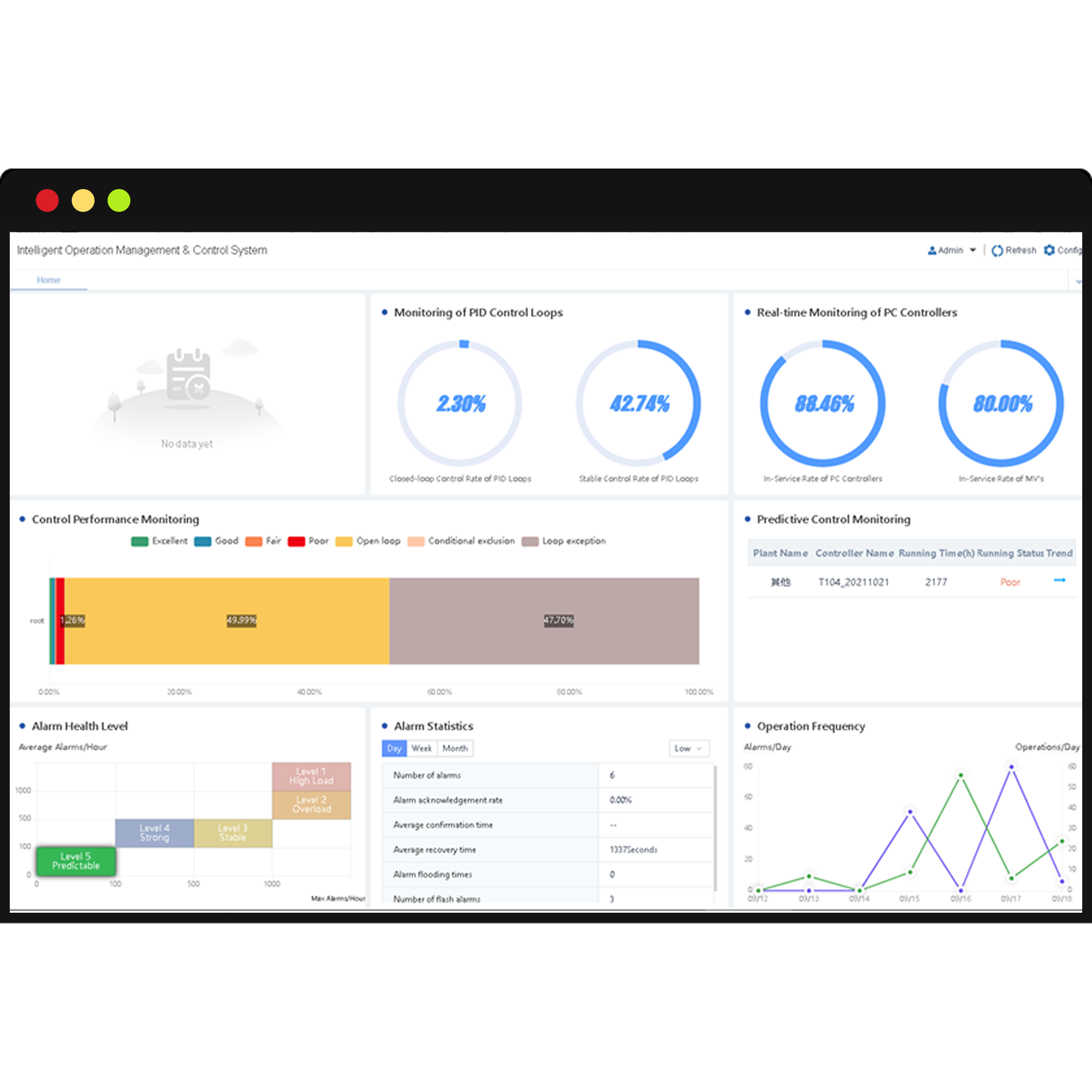
Alarm Performance Cockpit
View alarm levels, alarm counts, acknowledgement status, classifications, KPIs, and alarm trends from a customizable management cockpit.
Alarm Benchmarking
Classify alarm-system performance from alarm-flood conditions to stable, reliable alarm-system operation under different working conditions.
Nuisance Alarm Identification
Detect intermittent, duplicated, stale, fleeting, and nuisance alarms that overload operators and reduce trust in the alarm system.
Statistical Alarm Analysis
Use more than 20 statistical algorithms to build alarm KPIs, identify TOP 10/20/30 high-frequency alarms, and prioritize elimination work.
Alarm Rationalization Workflow
Support cross-functional rationalization involving process, instrumentation, equipment, HSE, production, and maintenance teams.
State-Based Alarm Management
Use dynamic alarm management based on operating state to improve alarm relevance during changing plant conditions.
Applications
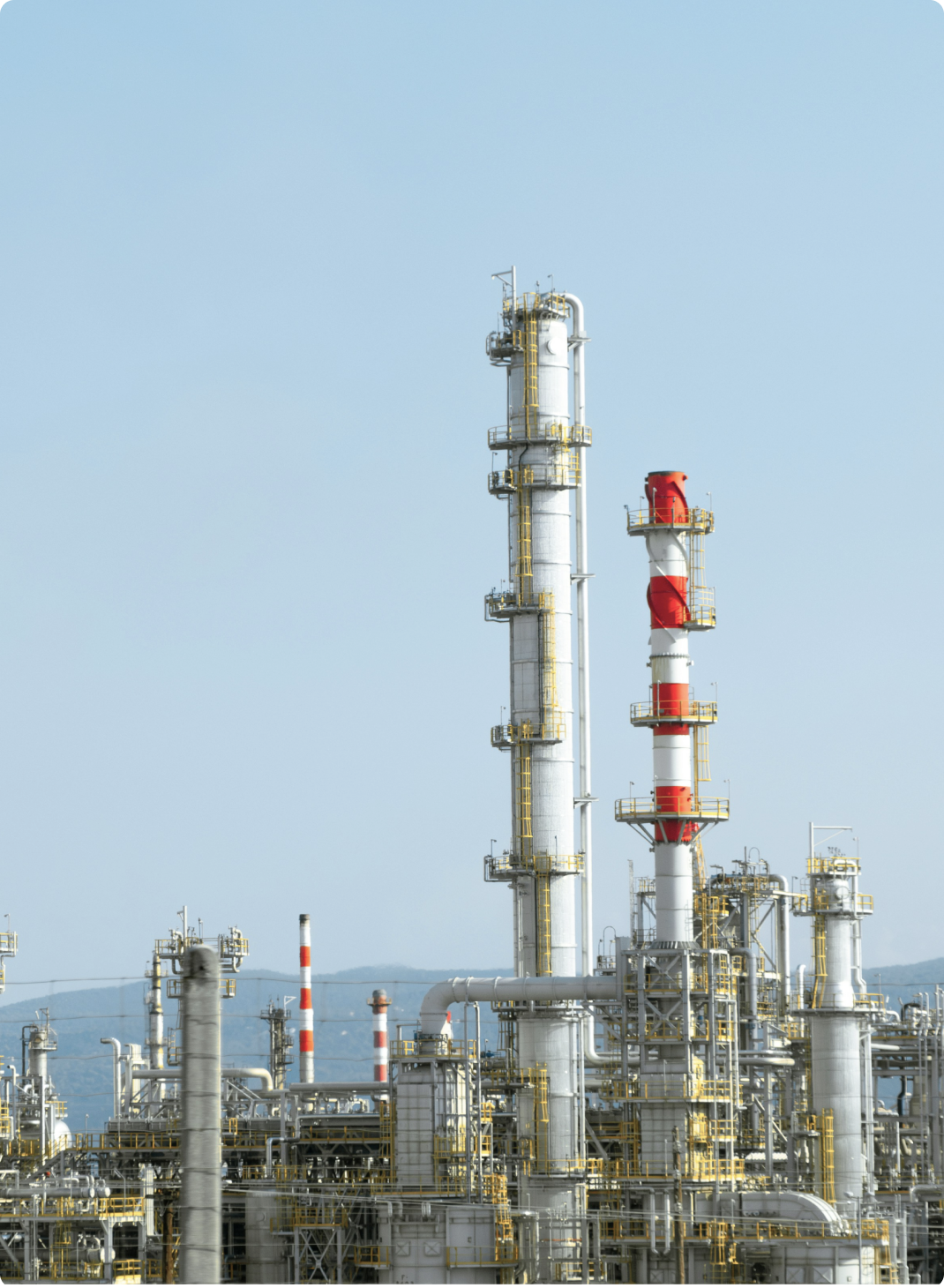
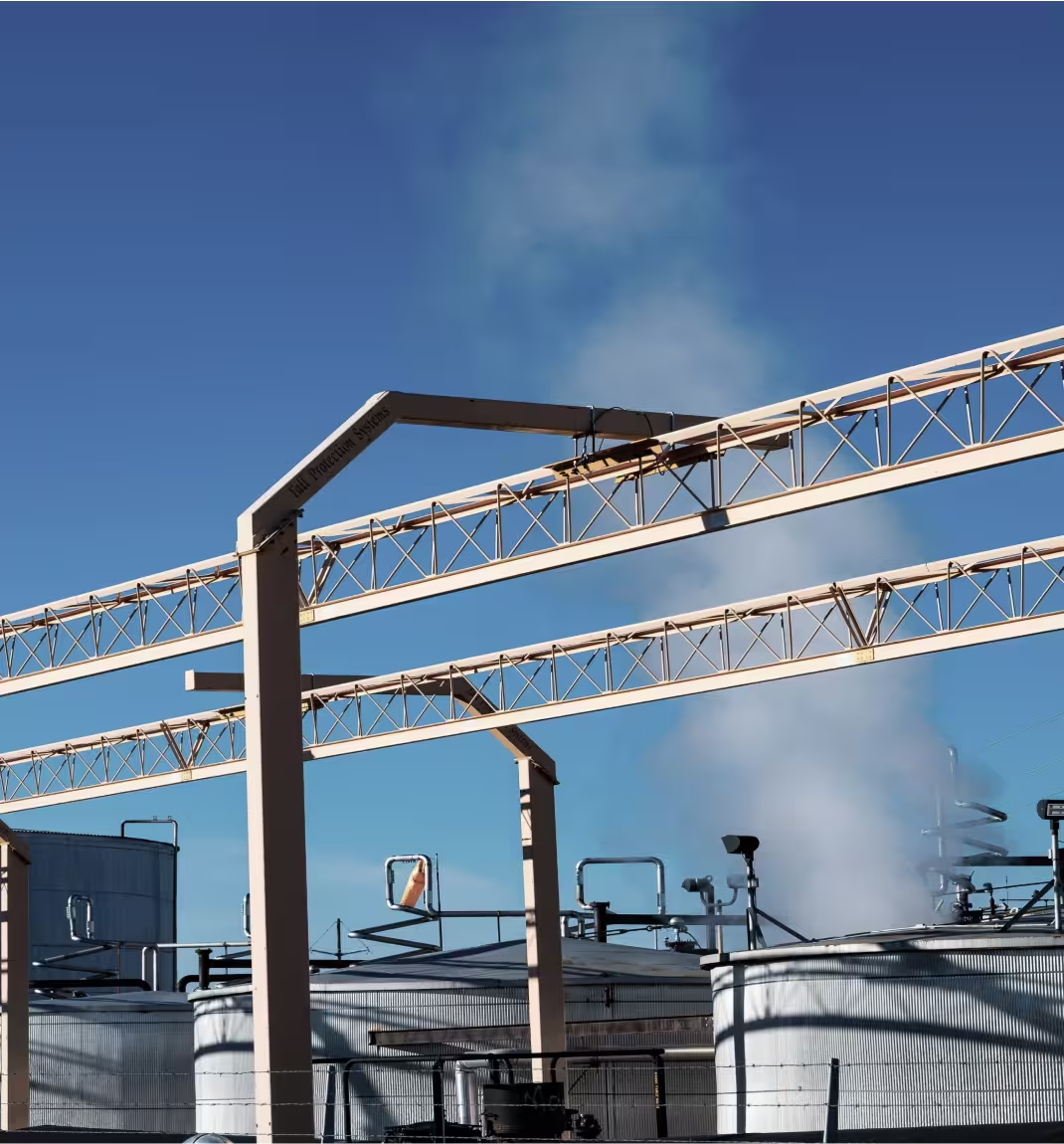
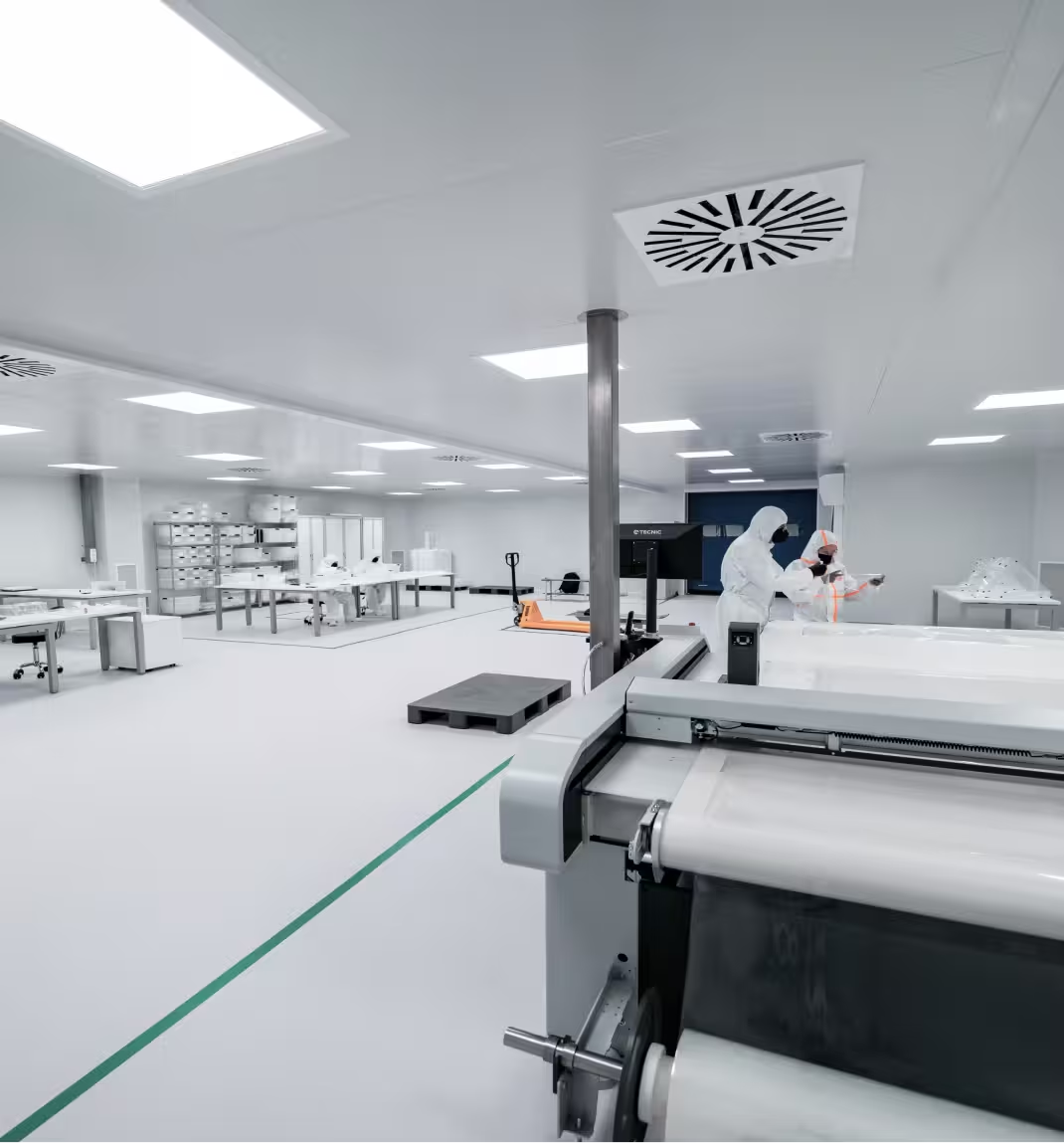
Alarm Management for High-Risk Process Industries
_converted.avif)

Oil & Gas / Refining
Petrochemical & Chemical
Coal Chemical
Power & Utilities
Pharmaceuticals & Specialty Chemicals
FAQ
Frequently Asked Questions
What problem does SUPCON AAS solve?
Is AAS only software, or does it include alarm-management services?
What types of nuisance alarms can AAS identify?
Does AAS support dynamic alarm management?
Can AAS work in multi-vendor environments?
.avif)
Reduce alarm noise. Improve operator focus. Build an alarm system your team can trust.
contact us