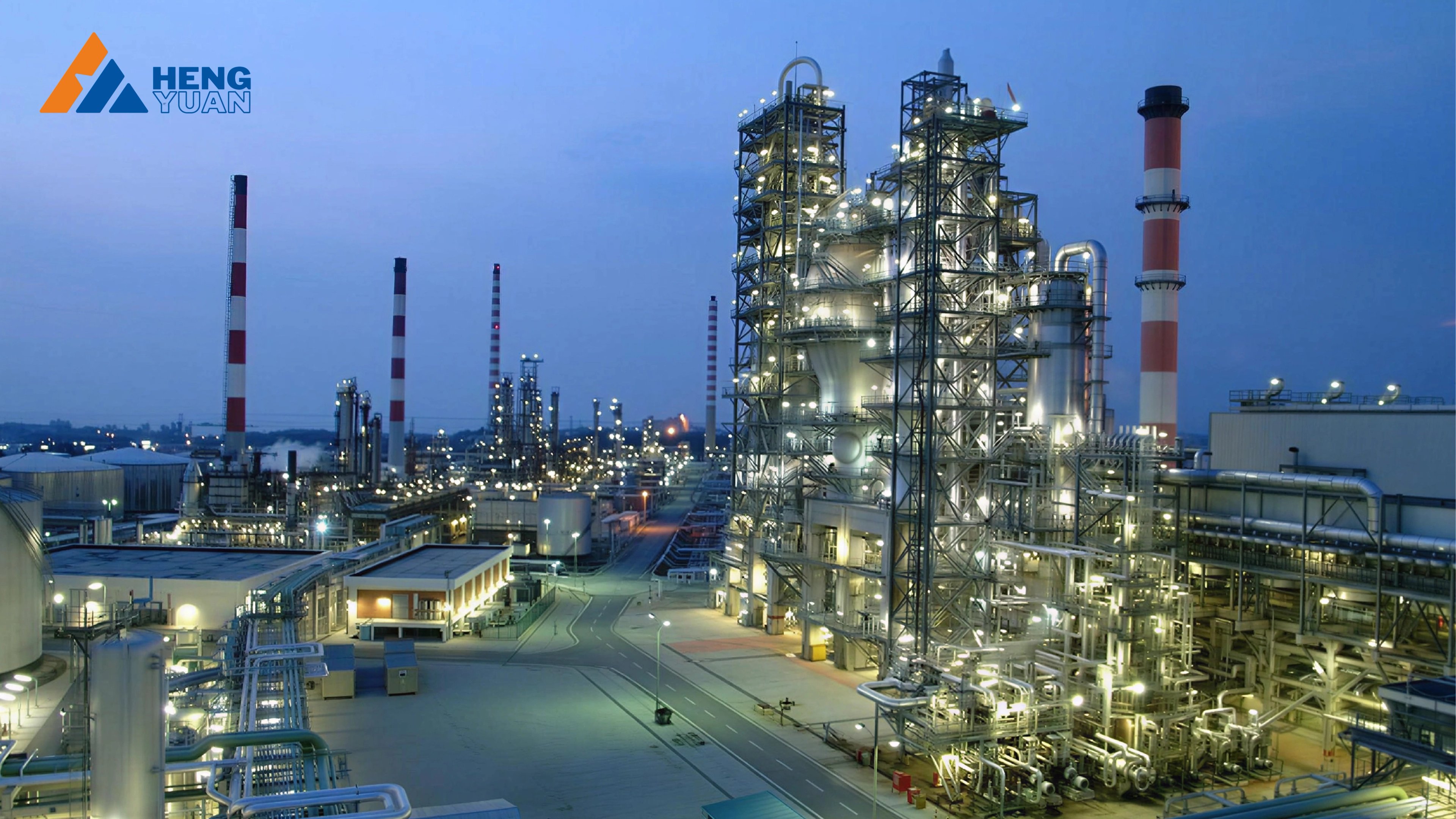
In refinery operations, maintaining stable and reliable control systems is essential and to sustaining performance and ensuring operational continuity. Hengyuan Refining Company (HRC), a leading player in Malaysia's energy sector, continues to strengthen its maintenance approach as part of its broader commitment to operational excellence.
The Opportunity: Strengthening Maintenance Strategy
As part of its continuous improvement efforts, HRC identified areas where further enhancements could support long-term efficiency and operational visibility.
In particular, there were opportunities to:
- Further optimize cost efficiency in maintenance and spare parts sourcing
- Enhance visibility into plant assets and lifecycle information
- Strengthen on-site technical support to complement existing capabilities
The Solution: Integrated On-Site Support Model
SUPCON partnered with HRC under a 2-year service agreement, introducing a structured and collaborative maintenance model built on three key pillars:
- Ecosystem Capabilities
Leveraging SUPCON’s global network to provide reliable and cost-effective spare parts solutions, including support to legacy systems. - Dedicated On-Site Expertise
Deploying an experienced engineering team on-site to work alongside plant personnel, supporting day-to-day operations, troubleshooting, and ongoing system improvements. - System Transparency
Conducting a structured review of the control systems to enhance and standardize documentation, ensuring technical information remains current and accessible.
The Results: Operational Improvements
Through this collaboration, HRC observed steady and practical improvements across several areas:
- Improved Cost Efficiency
Maintenance and spare parts expenditures were optimized through flexible sourcing strategies. - Enhanced Service Responsiveness
On-site support enabled closer coordination and more timely resolution of operational issues. - Greater Operational Visibility
Improved access to system information supported informed decision-making and long-term planning.